
Updated April 17, 2026
What is Being Tested
Since getting started with Meshtastic a couple of years ago I have heard a lot of users express concerns about antenna performance. Some were getting antennas tuned for EU frequencies (866Mhz) while others were questioning the performance of their current setups. The topic of antenna tuning has come up often and the use of VNA (Vector Network Analyzer) has become a popular method for evaluating antenna performance.
The primary metric for evaluating antenna performance is SWR, or Standing Wave Ratio. SWR is a basic way to describe how well an antenna is matched to the radio system at a specific frequency. Lower SWR means less transmitted power is being reflected back toward the radio and more of it is being delivered into the antenna.
I will primarily focus on antennas that I currently own. I have aquired a variety of antennas in my journey so far, from name brand to generic options.
Note: The main focus of this testing is my local Meshtastic and MeshCore frequencies in the 915 MHz band, specifically 906.875 MHz and 910.525 MHz. I plan on doing my tests at 910 MHz which should give an indication for effectiveness on either mesh network.
Test Setup
I will try and keep the testing of the antennas as consistent as possible, ideally the external antennas would be tested in the same environment as deployment.
Another quirk I have found during my initial testing is that the results are easily skewed by environment whether its nearby objects (including people!). That being said I will try and least keep all the tests in the same environment.
Measurement Method
For this article, I am mainly looking at how each antenna behaves around the respective USA region defaults for Meshtastic (906.875 MHz) and MeshCore (910.525 MHz), whether the lowest SWR point lands close to those targets, and how usable the antenna remains across that nearby portion of the band.
SWR Classification
- Poor: >3.0
- Marginal: 2.0 to 3.0
- Acceptable: 1.5 to 2.0
- Excellent <1.5
Testing Process
- Calibrate the VNA using the standard open, short, and load calibration process.
- Connect the antenna to the NanoVNA using an SMA to N-Type adapter as needed.
- Sweep across a range that includes our target frequency (e.g. 850 MHz to 950 MHz) to see the SWR curve.
- Record SWR at 910 MHz.
Note: SWR less than 2.5 is considered acceptable for most applications.
Results by Antenna
This section is where the actual measurements should live. A simple way to organize it is one short subsection per antenna with a photo or sweep screenshot, the measured SWR at your target frequency, the approximate resonance point, and any quick comments about whether the result matched expectations.
RAK Starter Kit Antenna
- Claimed gain: 2 dBi
- Connector: SMA
- SWR at 910 MHz:
- Antenna 1: 2.135
- Antenna 2: 1.987
- Antenna 3: 2.681
- Antenna 4: 2.533
- Verdict: Acceptable/Marginal
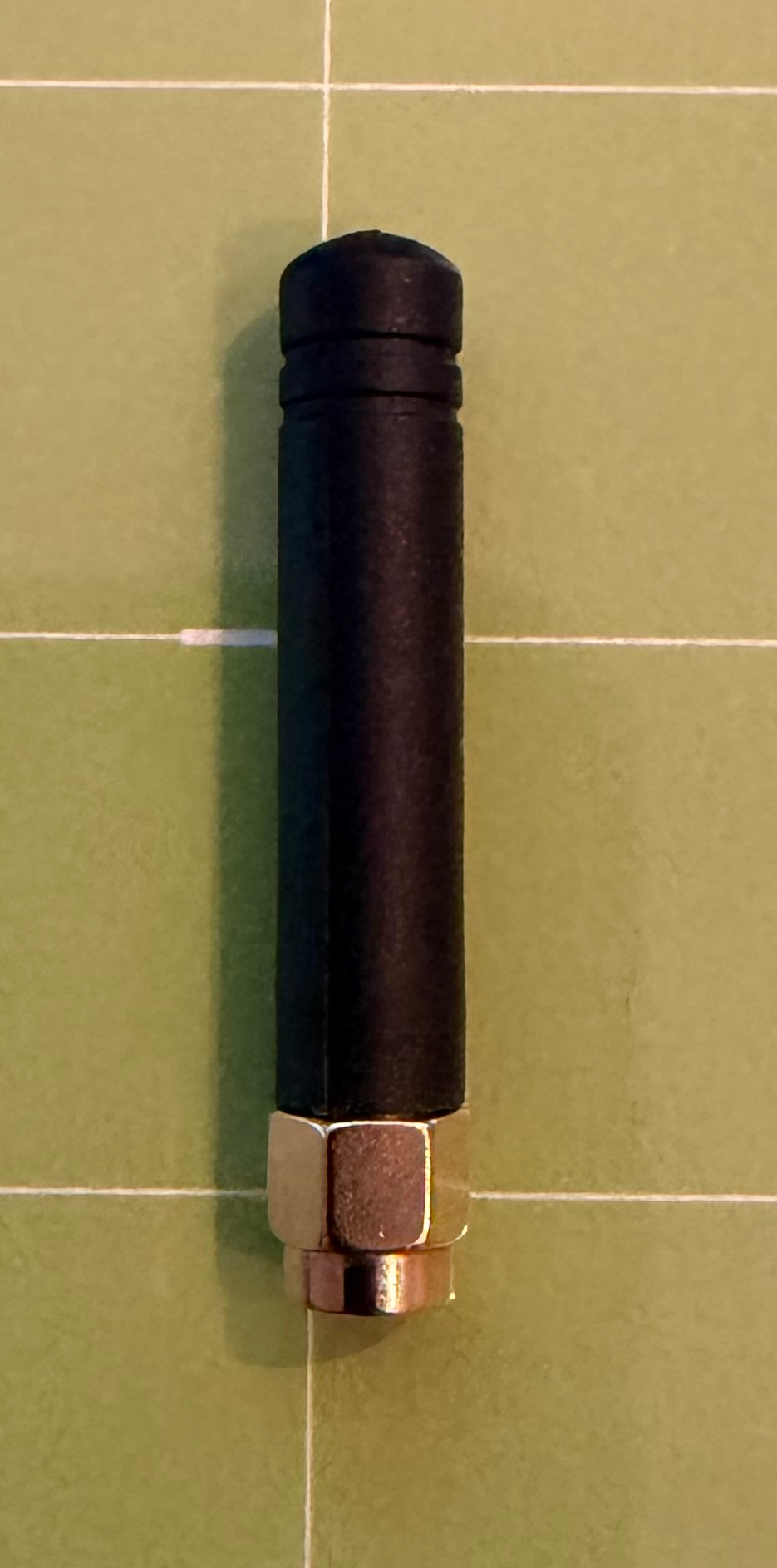
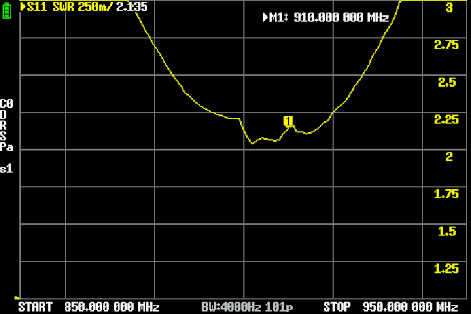
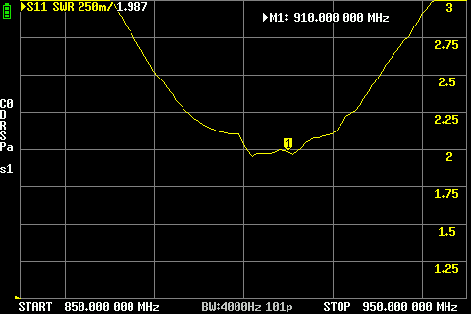
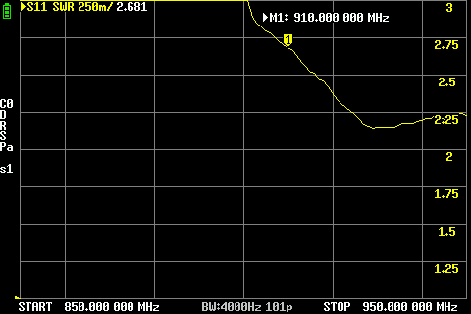
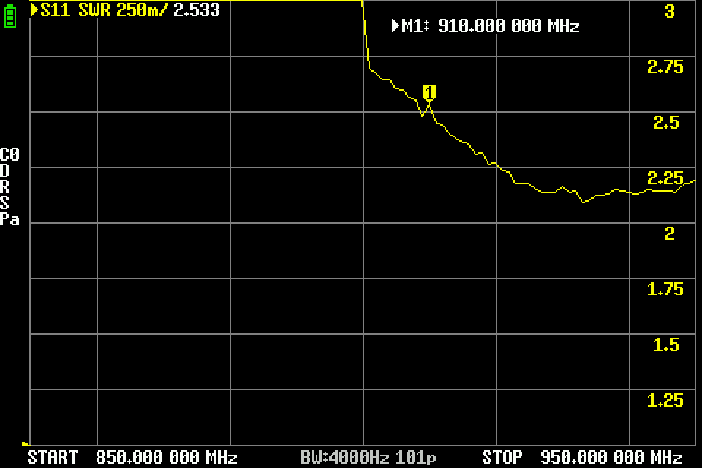
Note: I have a bunch of these on hand, as I typically just order a starter kit when I need a new node. All are showing similar performance characteristics. Acceptable - but not great, something to upgrade.
LilyGo Stock T-Echo Antenna
- Claimed gain: ?? dBi
- Connector: SMA (flared base)
- SWR at 910 MHz: 12.361
- Verdict: Poor / (Defective?)
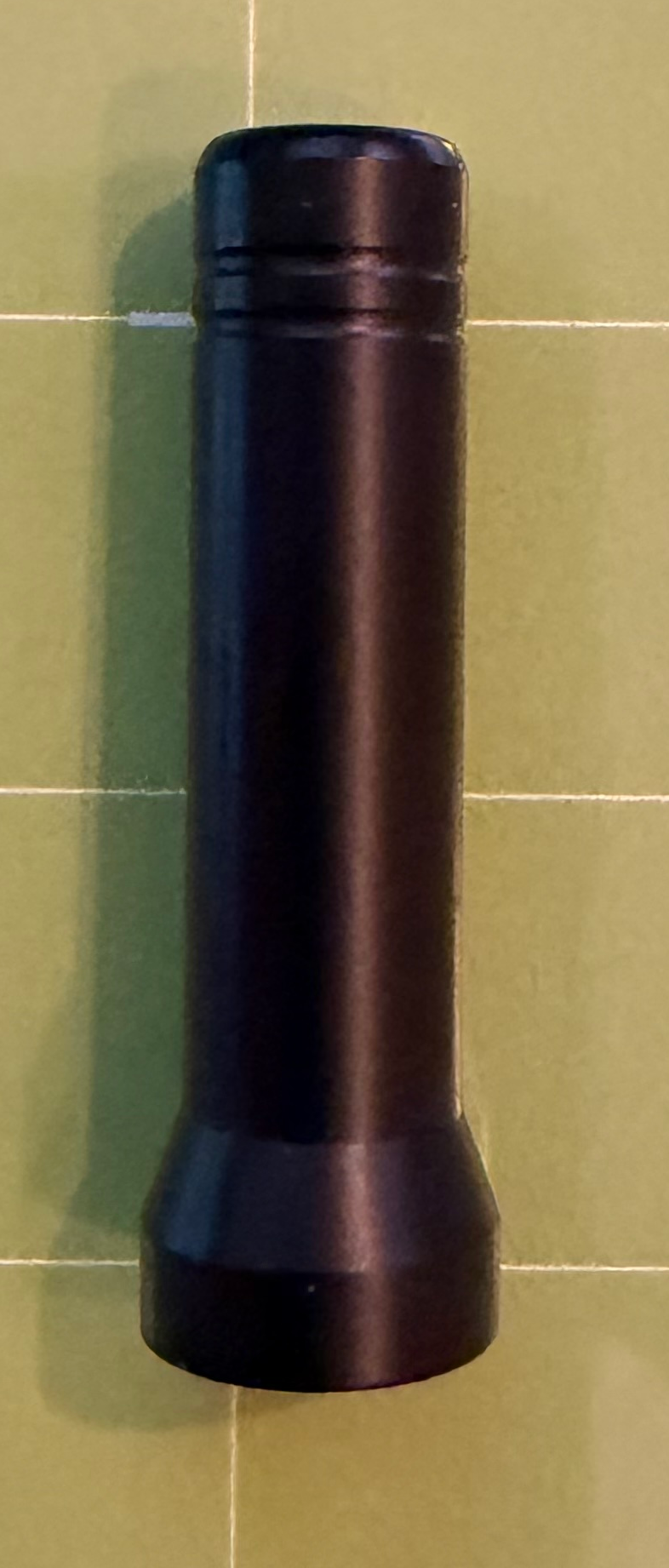
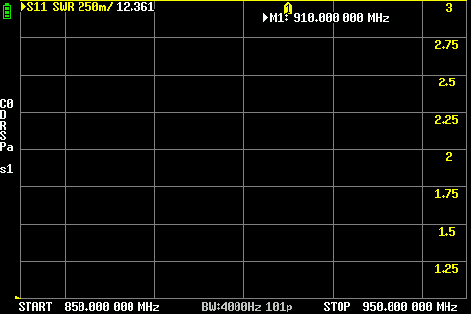
Note: No matter how I tried to optimize it, this one seems defective. I tried broadening the sweep range from 800 MHz to 1 GHz, but the results still indicated a defective antenna.
Rockland T-Echo Whip Antenna
Rockland Whip Antenna for T-Echo
- Claimed gain: 2.5 dBi (8" length)
- Connector: SMA (flared base)
- SWR at 910 MHz: 2.319
- Verdict: Marginal
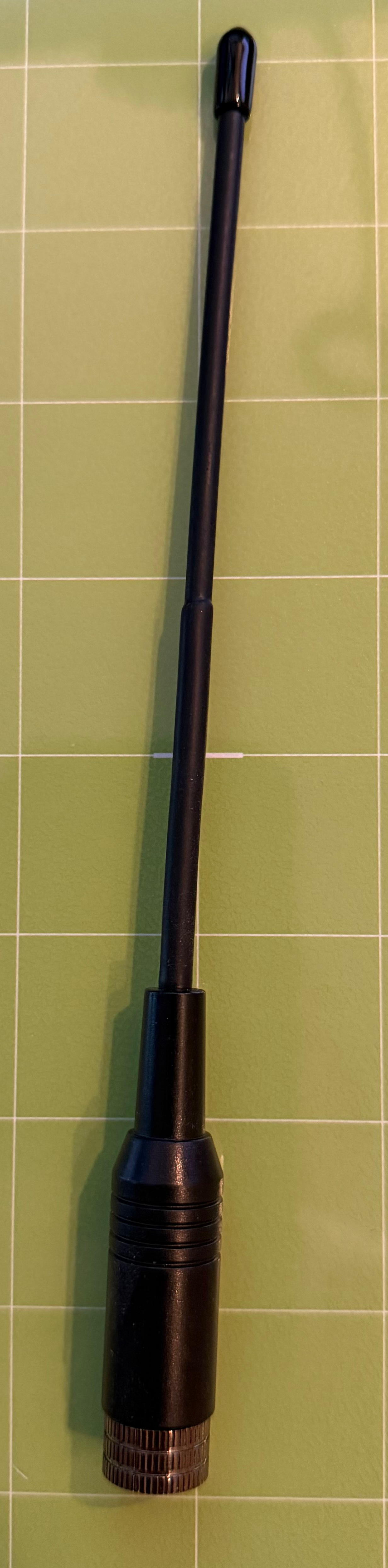
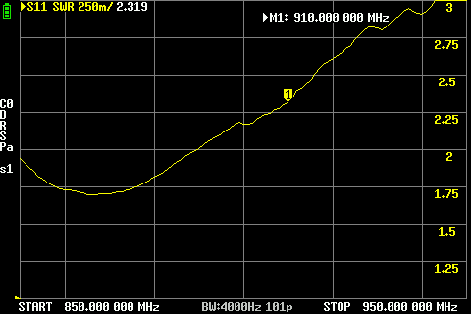
Note: Purchased this from Rokland, marketed as an improvement over stock (in my case it definitely is!)
MuziWorks 915Mhz Whip Antenna
- Claimed gain: 2.5 dBi (8" length)
- Connector: SMA
- SWR at 910 MHz: 1.379
- Verdict: Excellent
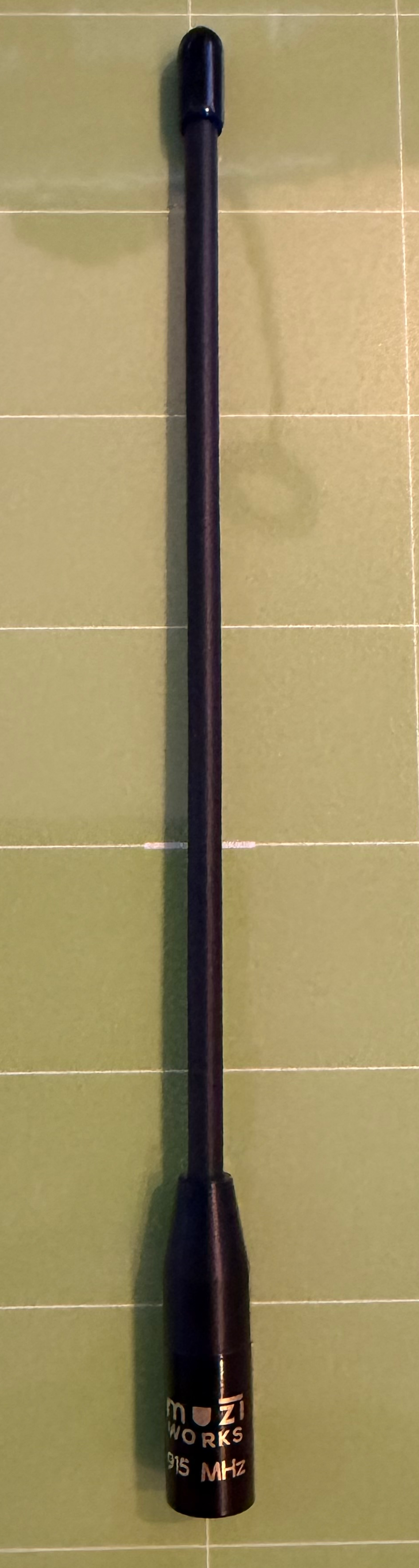
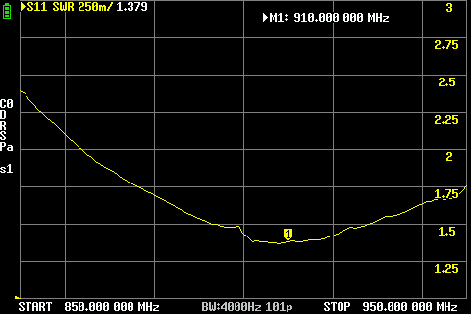
Note: This one seemingly lived up to the hype, often suggested it did not dissapoint.
3 dBi : 915MHz Indoor SMA Male Generic Hinged Antenna
3 dBi : 915Hz Indoor SMA Male Generic Hinged Antenna
- Claimed gain: 3 dBi (7.5" length)
- Connector: SMA
- SWR at 910 MHz:
- Antenna 1: 1.377 / Excellent
- Antenna 1 (bent 90°): 2.851 / Marginal
- Antenna 2: 1.175 / Excellent
- Antenna 2 (bent 90°): 2.830 / Marginal
- Verdict: Excellent (Marginal when bent)
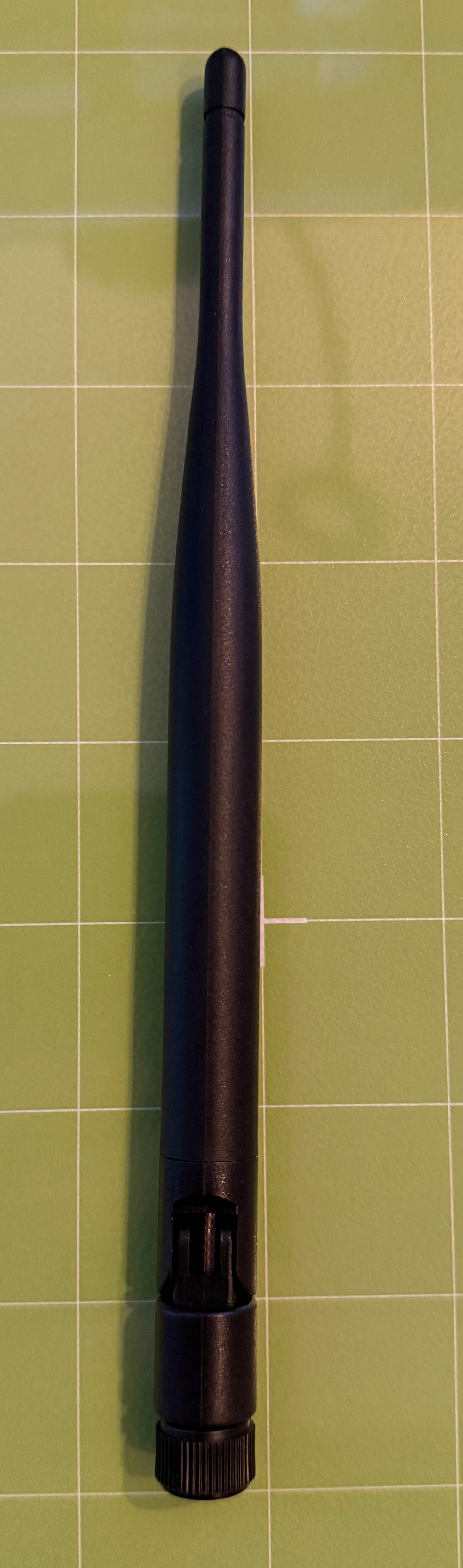
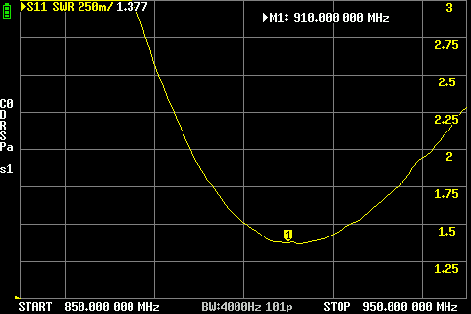
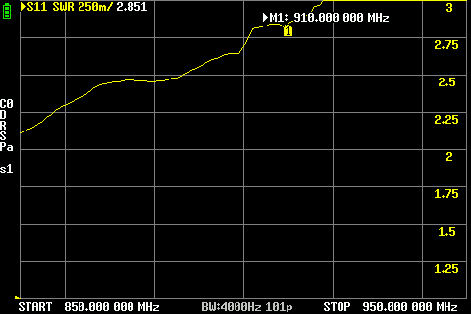
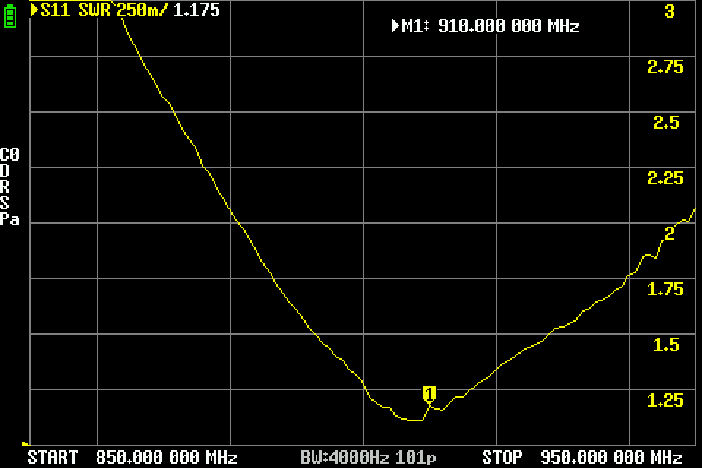
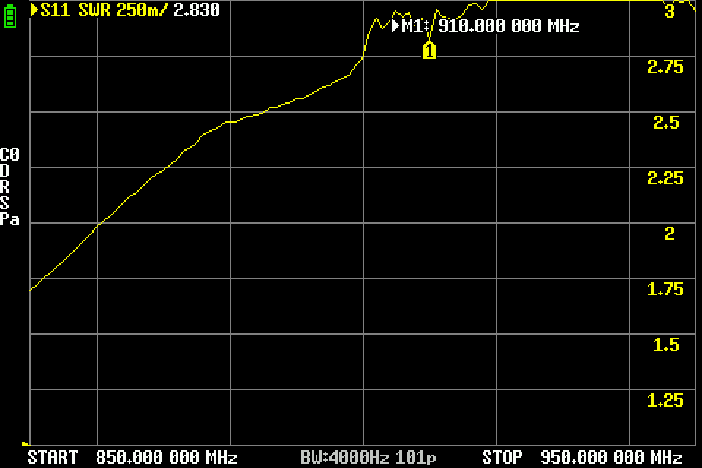
Note: This one was a surprise! Results in the straing configuration were excellent, but bending it caused a significant drop in performance.
5 dBi : Omni 5dBi Antenna (Generic ALFA AOA-915-5ACM) : 2 Pack
5 dBi : Omni 5dBi Antenna (Generic ALFA AOA-915-5ACM)
- Claimed gain: 5 dBi (7" length)
- Connector: N-Male
- SWR at 910 MHz:
- Antenna 1: 1.247 / Excellent
- Antenna 2: 1.480 / Excellent
- Verdict: Excellent
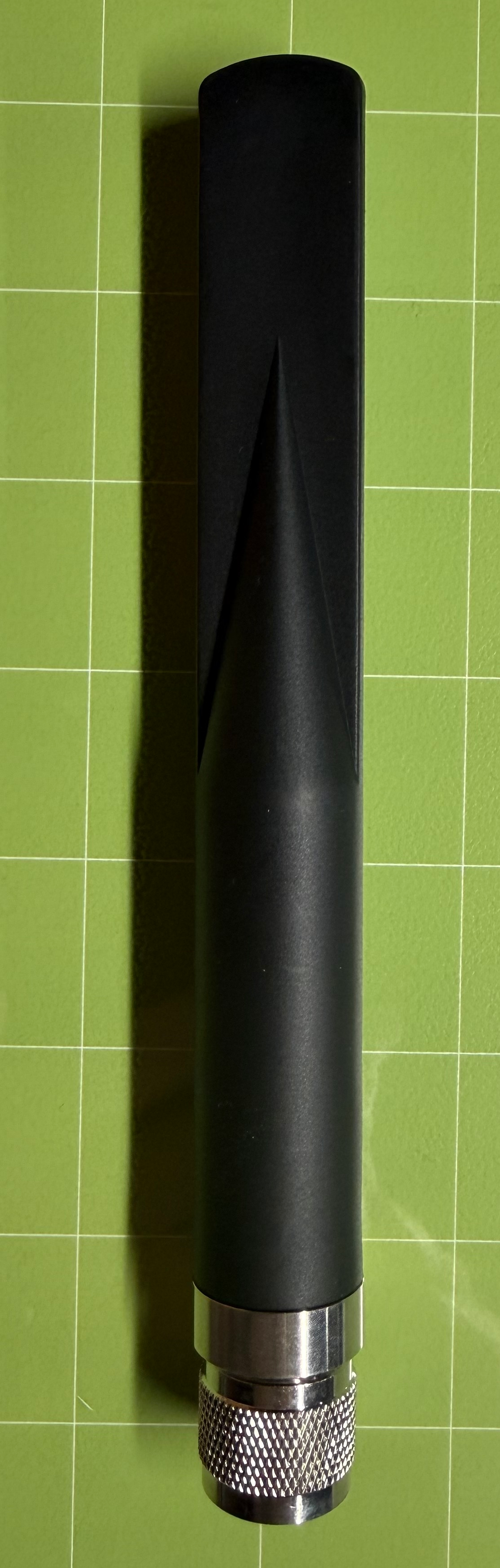
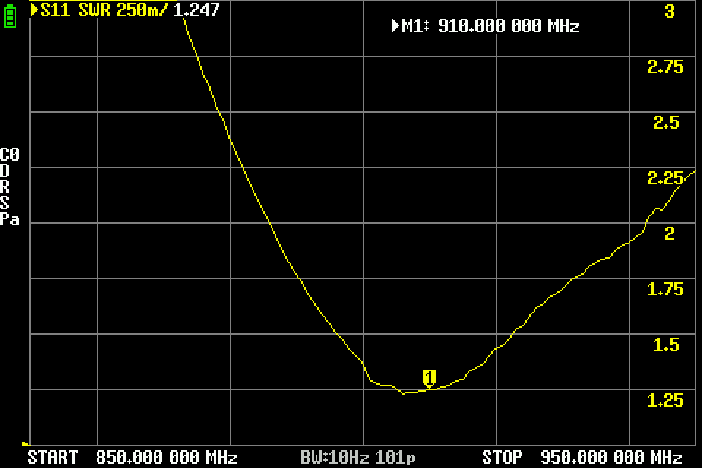
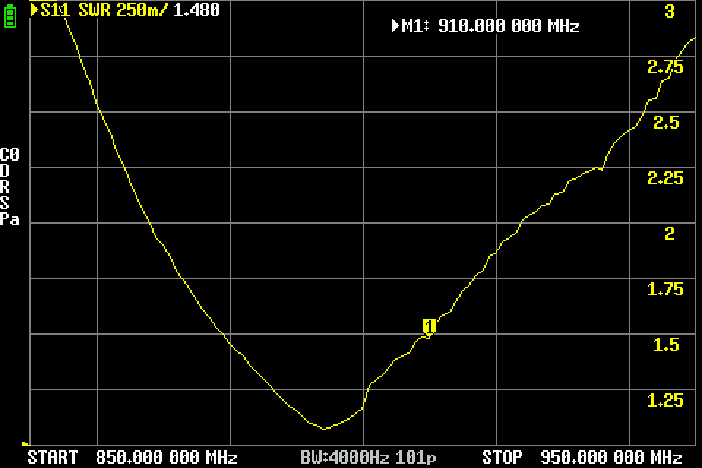
Note: While I dont have a real ALFA to compare to (its on the dual roof node currently) I would say these are a fine alternative.
5.8 dBi : N-Male Omni Outdoor Antenna
5.8 dBi : N-Male Omni Outdoor Antenna
- Claimed gain: 5.8 dBi (32" length)
- Connector: N-Male
- SWR at 910 MHz: 1.212
- Verdict: Excellent

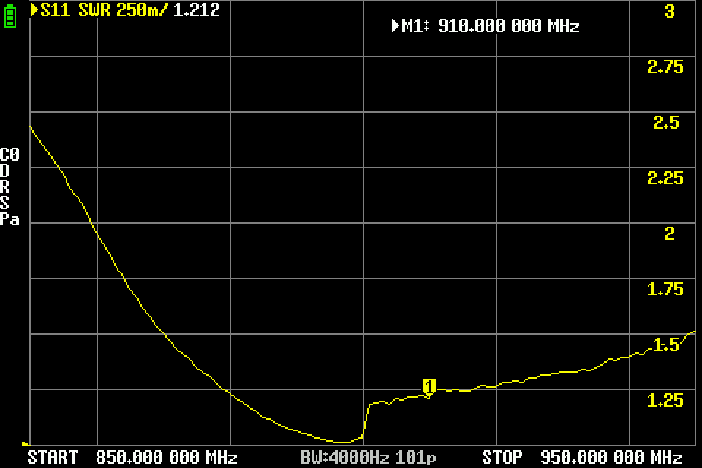
Note: I dont remember why I bought this exactly, now I just need to find a use for it!
8 dBi : Low Profile N-Female Omni Outdoor Antenna
8 dBi : Low Profile N-Female Omni Outdoor Antenna
- Claimed gain: 8 dBi (25" Length)
- Connector: N-Female
- SWR at 910 MHz: 1.163
- Verdict: Excellent

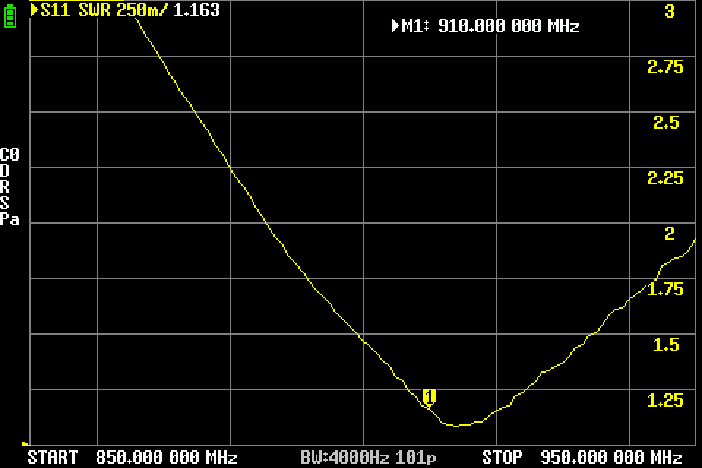
Note: My only high gain antenna, one of my first purchases. Probably best suited for a flat-land install where max distance is the priority.
Observations
I was sort of surprised at how well all of the hand held antennas performed. I had expected to see some inconsistencies, but most of them tested well.
I will say that I was also taken back at how subjective the testing results can be. The environmental conditions and measurement setup can significantly impact the results. Little things like the position of the VNA probe or the orientation of the antenna can make a difference. I can only assume that the design of some of these antennas are taking this into consideration.
From commens on various reddit and discord threads I was expecting to seem some real duds on the handheld antennas especially the generic models. Which leads me to question my testing altogether or maybe I just have gotten lucky??
The larger and more infrastructure antennas all performed well, and all within range of any published SWR values. The Generic ALFA were a good find as you can basically get 2 for the price of a single legit ALFA. At some point I will get my legit ALFA off the roof to run it through the same test, but I think I would be happy using the generics just the same.
Takeaways
Testing SWR of antennas with a VNA is likely not nescearry, especially if you stick to the well known models from trusted sources. If you are buying random antennas from Aliexpress, the testing could help weed out antennas that are tuned for 866MHz and sold as 915MHz.
The better test case is permanent installations where you can perform the test as closely to deployment conditions as possible. This will give you a better idea of how the antenna should perform, and at least remove one variable in the mix when establishing mesh connections.
Note: Unless you like to tinker, your probably better off saving the money you would spend on a VNA and putting it towards antennas from trusted sources.